窒化物結合炭化ケイ素が、酸化性雰囲気中で8~12ヶ月経過後に強度を低下させる理由
私は12年間、上海およびその周辺のセラミックス・冶金工場において、高温設備の取り扱いに携わってきました。 窒化物結合炭化ケイ素に関して私が最も頻繁に目にする問題の一つは、窯の棚板、プレート、セッターが投入時には頑丈に見えるにもかかわらず、数ヶ月間の通常の稼働を経て、以前は問題なく耐えていた荷重の下でひび割れやたわみが生じ始めることです。 多くのオペレーターは、単に材料が「摩耗した」か、あるいは焼成サイクルが過酷すぎたのだと推測しています。しかし、私が携わっている生産ラインにおいて、真の原因は、高温状態で表面が空気にさらされると、窒化物結合相が徐々に酸化していくことにあるのです。.
窒化物結合型炭化ケイ素は、窒化ケイ素マトリックスによって炭化ケイ素結晶粒が結合され、部品に強度と耐熱衝撃性を与えています。 還元性または中性雰囲気下では、この結合は比較的安定しています。しかし、窯や炉で過剰な空気が流入すると(これは間欠的なセラミック焼成や特定の金属熱処理サイクルでよく見られます)、酸素が窒化物を侵食します。その結果、表面、そしてより重要なことに粒界に、シリカを豊富に含む薄い層が形成されます。 部品は突然破損するわけではありませんが、曲げ強度が徐々に低下し、温度勾配に対する感受性が高まります。新品時には40 MPaを大幅に上回っていたプレートが、1200 °Cと室温の間で8~12ヶ月間毎日温度サイクルを繰り返した結果、20 MPa台前半まで低下してしまう例を、私は頻繁に目にします。.
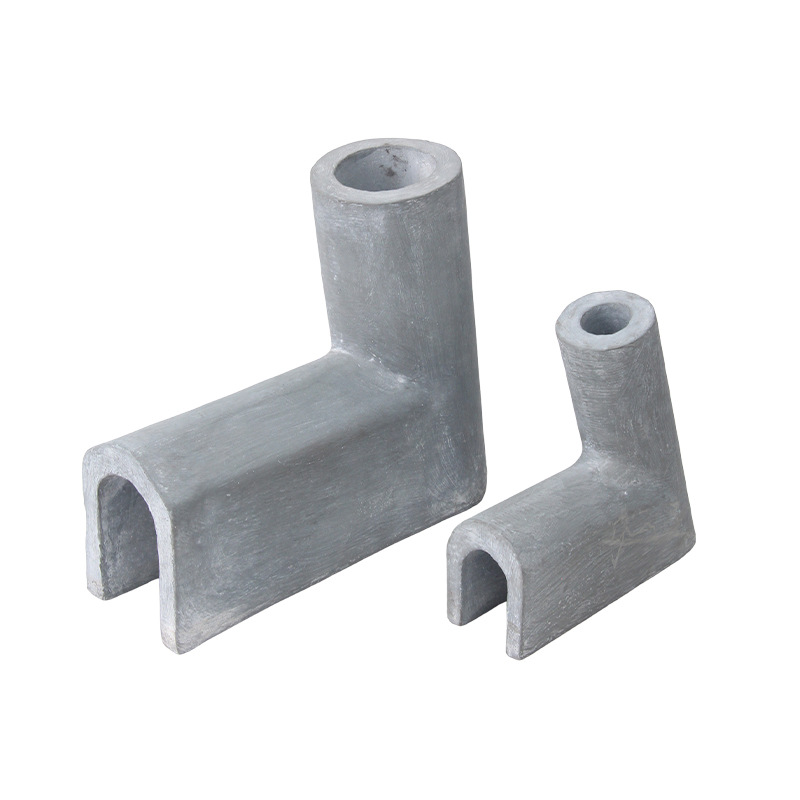
その実用上の影響は、2つの形で現れます。第一に、窒化物結合型炭化ケイ素製の窯内耐火物
develop hairline cracks that start at the edges or around support points and then propagate under their own weight plus the ware load. Second, the effective load-bearing capacity of nitride bonded kiln shelves
falls even before visible cracks appear, so operators either reduce the number of pieces per shelf or accept higher breakage rates. In both cases the plant ends up replacing furniture sooner than the original purchase calculation assumed. Plants running continuous pushers or roller kilns with tighter atmosphere control usually get longer life from the same grade; the intermittent batch kilns common in the Shanghai region show the problem faster because every cool-down lets fresh air reach the hot surfaces.
結合相を制限要因とみなせば、実際に劣化を遅らせる要因は単純明快です。ピーク温度と保持時間を、プロセスが許す限り低く抑えてください。1350 °Cを超えるごとに50 °C上昇するごとに、返却された部品で私が測定した酸化速度は著しく加速します。 窯の設計上可能な場合は、高温保持中に短時間のパージを行うか、わずかに還元性の雰囲気を与えることで、酸素分圧を十分に低下させ、耐用期間を数ヶ月延長することができます。 同様に重要なのが機械的負荷です。両端のみで支持され、不均一な重い製品荷重がかかる窒化物結合SiCは、底面に高い引張応力が発生します。表面が酸化によって弱体化すると、これらの応力が早期に亀裂を誘発します。 3点支持や連続支持に変更するか、あるいは単にプレートあたりの最大荷重を 15~20 % 低減するだけで、材料のグレードを変更することなく、多くの場合、元の交換間隔に戻すことができます。.
I also check returned nitride bonded silicon carbide plates for the thickness of the oxidized layer. A uniform light-gray surface film of a few hundred microns is normal; localized thicker scale or powdering at edges usually means either a hot spot in the kiln or prolonged exposure above the recommended limit. Plants that log atmosphere readings and maximum shelf load alongside the number of cycles before first cracks appear can usually push average life from roughly 10 months to 14–16 months on the same nitride bonded silicon carbide shelves. The ones that keep running the original dense loading pattern and full air atmosphere simply replace plates on a shorter, more expensive schedule and keep wondering why the new set lasts no longer than the last one.
nitride bonded silicon carbide kiln furniture is capable of long service when the bond phase is protected. The difference I see in the field is almost never a sudden change in raw material quality; it is whether the plant treats oxidation and loading as controllable variables or as inevitable background conditions.Also we can make nitride bonded silicon carbide kiln shelves according to your requirement.
 Japanese
 English
 Arabic
 Bulgarian
 Czech
 Danish
 German
 Greek
 Spanish
 Finnish
 French
 Hungarian
 Indonesian
 Italian
 Korean
 Lithuanian
 Norwegian
 Dutch
 Polish
 Portuguese (Portugal)
 Portuguese (Brazil)
 Romanian
 Russian
 Slovak
 Slovenian
 Swedish
 Turkish
 Ukrainian
 Chinese
 Albanian
 Armenian
 Azerbaijani
 Bosnian
 Catalan
 Croatian
 Estonian