为什么氮化物结合碳化硅在氧化性气氛中放置8至12个月后会失去强度
过去十二年里,我一直在上海及周边地区的陶瓷和冶金厂从事高温设备的维护工作。 我在氮化物结合碳化硅设备上最常遇到的问题之一是:窑架、窑板和定型板在投入使用时看似坚固,但在经过数月正常运行后,却会在原本能够轻松承受的负载下开始开裂或下垂。 大多数操作人员认为这只是材料“磨损”了,或者烧成周期过于苛刻。而在我负责的生产线上,真正的原因是当表面在高温下暴露于空气中时,氮化物结合相会发生渐进式氧化。.
氮化物结合碳化硅依靠氮化硅基体将碳化硅晶粒粘合在一起,从而赋予零件强度和抗热震性。 在还原性或中性气氛中,这种结合相对稳定。一旦窑炉或熔炉在过量空气条件下运行——这在间歇性陶瓷烧制或某些金属热处理循环中很常见——氧气就会侵蚀氮化物。表面以及更重要的是晶界处会形成一层富含二氧化硅的薄层。 工件不会突然失效,而是逐渐丧失弯曲强度,并对温度梯度变得更加敏感。我经常看到一些新时测得弯曲强度远高于40 MPa的板材,在经历8至12个月的1200 °C与室温之间的每日循环后,其强度骤降至20多MPa的低水平。.
其实际影响主要体现在两个方面。首先,氮化物结合的碳化硅窑具
develop hairline cracks that start at the edges or around support points and then propagate under their own weight plus the ware load. Second, the effective load-bearing capacity of nitride bonded kiln shelves
falls even before visible cracks appear, so operators either reduce the number of pieces per shelf or accept higher breakage rates. In both cases the plant ends up replacing furniture sooner than the original purchase calculation assumed. Plants running continuous pushers or roller kilns with tighter atmosphere control usually get longer life from the same grade; the intermittent batch kilns common in the Shanghai region show the problem faster because every cool-down lets fresh air reach the hot surfaces.
一旦将结合相视为限制因素,究竟是什么延缓了降解过程就显而易见了。应将峰值温度和保温时间控制在工艺允许的最低水平;在1350 °C以上,每升高50 °C,我测得的返修零件氧化速率就会明显加快。 在窑炉设计允许的情况下,高温保温期间进行短暂的吹扫或保持微还原气氛,可将氧分压降低到足以将使用寿命延长数月。 同样重要的是机械载荷。仅在两端支撑且承受重而分布不均的磨具载荷的氮化物结合SiC,其底面会产生较高的拉应力;一旦表面因氧化而变弱,这些应力就会更早地引发裂纹。 改用三点支撑或连续支撑,或者简单地将每块板上的最大载荷减少 15–20 %,通常可以在不改变材料等级的情况下恢复原有的更换间隔。.
I also check returned nitride bonded silicon carbide plates for the thickness of the oxidized layer. A uniform light-gray surface film of a few hundred microns is normal; localized thicker scale or powdering at edges usually means either a hot spot in the kiln or prolonged exposure above the recommended limit. Plants that log atmosphere readings and maximum shelf load alongside the number of cycles before first cracks appear can usually push average life from roughly 10 months to 14–16 months on the same nitride bonded silicon carbide shelves. The ones that keep running the original dense loading pattern and full air atmosphere simply replace plates on a shorter, more expensive schedule and keep wondering why the new set lasts no longer than the last one.
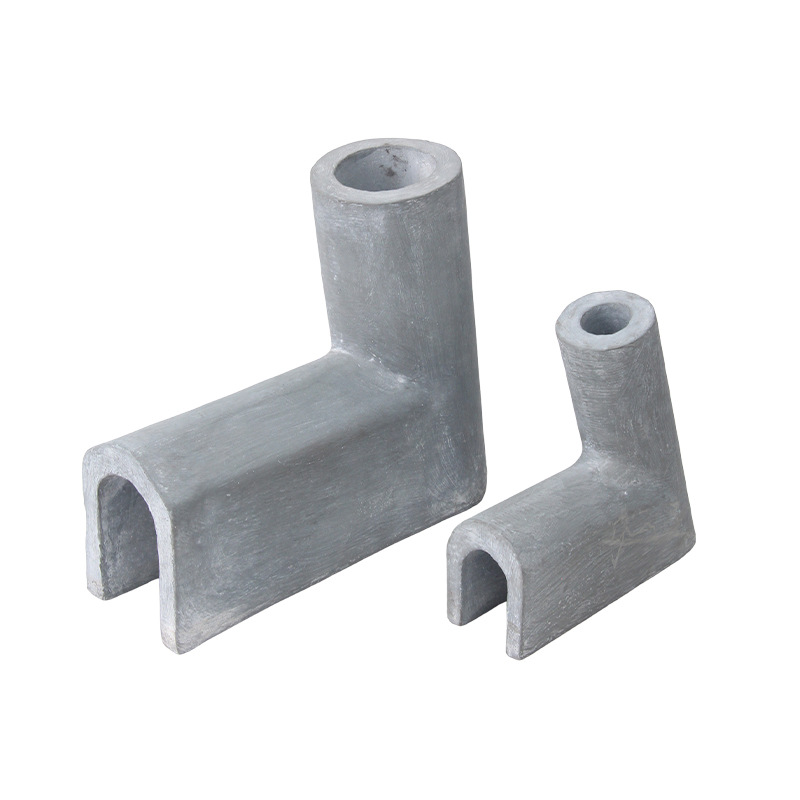
nitride bonded silicon carbide kiln furniture is capable of long service when the bond phase is protected. The difference I see in the field is almost never a sudden change in raw material quality; it is whether the plant treats oxidation and loading as controllable variables or as inevitable background conditions.Also we can make nitride bonded silicon carbide kiln shelves according to your requirement.
 Chinese
 English
 Arabic
 Bulgarian
 Czech
 Danish
 German
 Greek
 Spanish
 Finnish
 French
 Hungarian
 Indonesian
 Italian
 Japanese
 Korean
 Lithuanian
 Norwegian
 Dutch
 Polish
 Portuguese (Portugal)
 Portuguese (Brazil)
 Romanian
 Russian
 Slovak
 Slovenian
 Swedish
 Turkish
 Ukrainian
 Albanian
 Armenian
 Azerbaijani
 Bosnian
 Catalan
 Croatian
 Estonian